The black bee of my mind is drawn in sheer delight
by Kamalakanta
The black bee of my mind is drawn in sheer delight
To the blue lotus flower of Mother Shyama’s feet,
The blue flower of the feet of Kali, Shiva’s Consort;
Tasteless, to the bee, are the blossoms of desire.
My Mother’s feet are black, and black, too, is the bee;
Black is made one with black! This much of the mystery
My mortal eyes behold, then hastily retreat.
But Kamalakanta’s hopes are answered in the end;
He swims in the Sea of Bliss, unmoved by joy or pain.
 — from Kali: The Black Goddess of Dakshineswar, by Elizabeth U. Harding
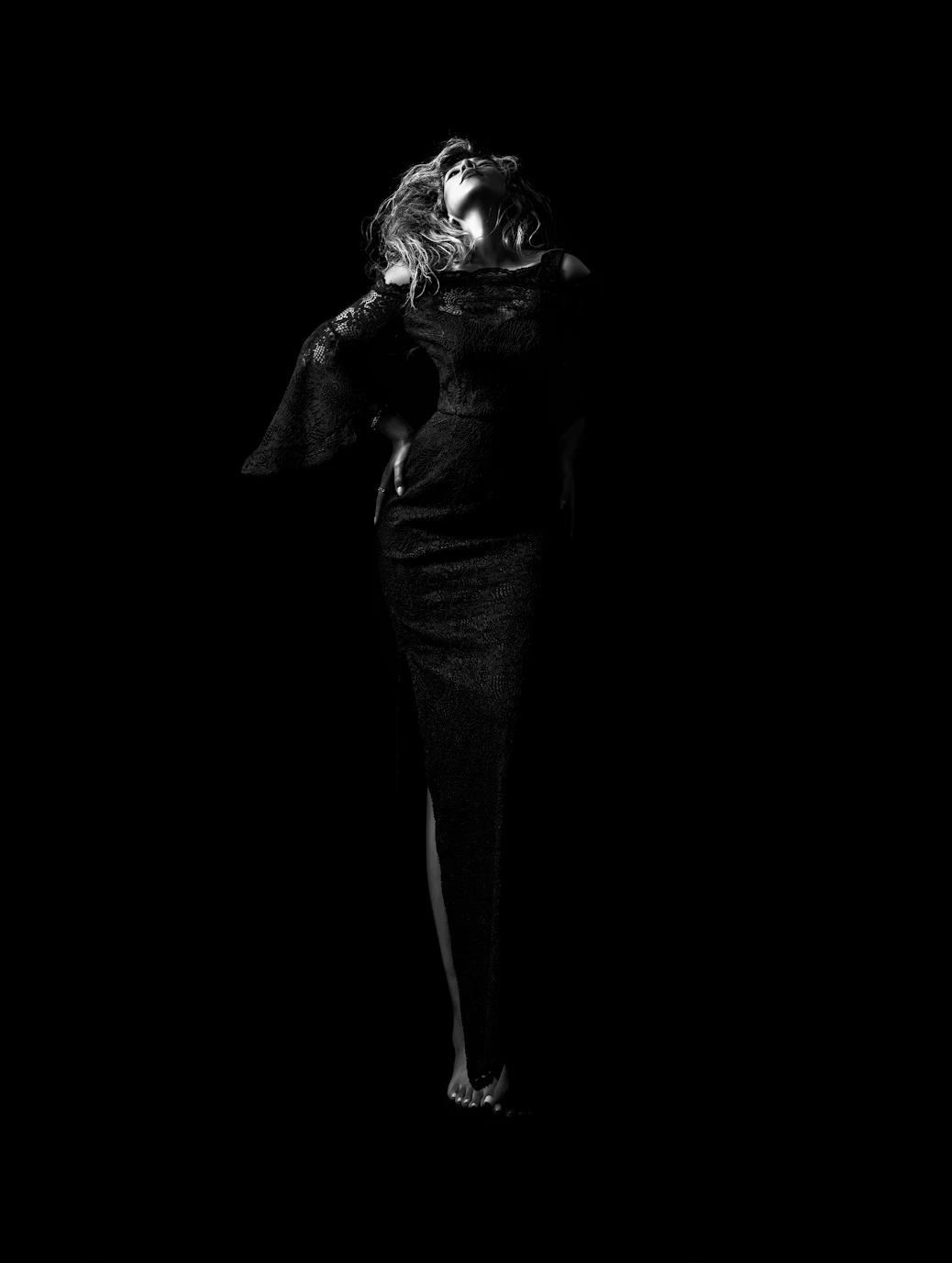
/ Image by Marjan Taghipour /
A blessed new year, everyone!
In this new year, I have been thinking of the rising turmoil and cruelty being exhibited in the country and in the world. And my thoughts turn to the Bengali goddess Kali.
Kali is the all-loving Mother, yet she can be terrifying. That tension has always fascinated me and given me courage, especially in my moments of fear.
In Hindu tradition, the Goddess can represent Mother, the Great Source, the Void/Womb from which all are born, Manifestation, Creation, Vibration, Speech, Song, the Arts, Beauty, Darkness, Mystery, all of the World (and all its Illusions). But with birth, also comes death, with manifestation, also comes dissolution; anything with a beginning also has an end. Only the eternal is eternal. So the Goddess, Mother and Manifestor, is also sometimes portrayed as Destroyer. She is Life and Death both. She is the Power that brings all into being, animates and enlivens the universe, and also draws it back into non-being. But even in Her fiercest aspect, the Mother Goddess is loving. For Her, death is merely the death of illusion and the return to Self.
And that is Kali’s gift, the truest expression of her compassion for the universe: She loves her children too much to let them remain stuck in illusion, even when they want to. Stated in the most shocking language possible, she kills her children repeatedly, until they realize they cannot die. By confronting the terrors of the manifest world, we eventually discover our inherent immortality and feel profound compassion for our brothers and sisters swept caught in its dramas.
Many Westerners at first find the iconography associated with the goddess Kali unsettling and can’t understand why so many beloved saints, like the gentle Ramakrishna, were so deeply devoted to her. Let’s spend a few moments contemplating this powerful representation of the Divine Feminine…
Kali (Shyama) is black, which is the Divine Mother’s color, for it is the color of mystery, of the night, that which is beyond knowing, the color that swallows all other colors.
My Mother’s feet are black, and black, too, is the bee…
With devotion, the busy bee of the mind becomes quiet and “black” like the vast, still mystery of God (or, rather, Goddess). Drawn to the center of awareness, it loses itself in the blissful nectar’s sweetness, until…
Black is made one with black!
Beautiful!
–
Kali is sometimes called the Dark Mother: beautiful, wild, and terrible. She is depicted dancing in ecstasy upon a battle field, slaying demons in her fierce bliss.
Kali is often depicted wearing a garland of severed heads, a startling image, but one of deep spiritual significance. These are the heads of slain demons, each a spiritual impediment that she has removed. In slaying the demons, she has freed them, so that now their heads rest in bliss upon her breast.
Further, each head, severed at the neck, represents a specific sound; collectively, the heads represent the sound of divine speech, the foundational vibration or Eternal Word, through which the universe is manifested.
So Kali’s destruction is also new creation.
I have always considered this one of the most powerful elements of Kali’s iconography. When Kali steps upon the world stage, she is mighty and terrible. The more we cling to what is other than divine, the more terrifying she is — for she is quick to slay all that is an impediment to divine manifestation. When we identify with anything less than our full divine Self, Kali appears as Death, ready to sever the comforts and assumptions that keep us small. But, at the overwhelming sight of her, if we instead let go of our false ego identity — allowing the demon head to be severed — we come to rest in bliss within the Mother’s embrace. We become an ornament to the Goddess. We become one with her action, lending our voice to Her ecstatic work, which clears the way for the Divine to manifest anew in the world.
Many of you have expressed serious concerns and fears to me about the state of the world in recent weeks. Worldly problems need to be confronted and addressed on the practical level at which they exist, but if they are addressed only at that level, the underlying problems are never resolved or even fully recognized. I personally believe that the ideal is an integrated approach in which we cultivate deep quiet, and then combine that with vigorous action. What that looks like in each individual life is different, unique to our own strengths and circumstances.
This approach creates a dilemma, no doubt about it. It is very difficult to spend the day dealing with the intense, constant specificity of a busy life engaged with the challenges of the world, sometimes even having to navigate the psychic extremes of conflict and confrontation, yet returning again and again to meditation and prayerful quiet. What is the solution? Practice. Dedication. Acceptance of the difficulties that arise in a life lived with heart and compassion. But also, we can draw strength from recognizing how the active and the inner feed each other. When we tap into those moments of deep peace, we can discover in ourselves a clarity and purpose which strengthen our actions, while daily action and service in the world reinforce the deepest values of the heart. Whatever we do in the world becomes a ritual of sorts, an embodied affirmation through interaction, validating what we have learned, highlighting where we yet need strengthening and refinement.
I encourage each of us, each in our own unique way, to reach out and work for a better, kinder, safer, more just world. What we do can be small or it can be grand. It doesn’t have to be what other people expect or recognize as “service.” It just has to fulfill the heart’s instinct to help. And then support that with whatever creative or quiet pursuits feed the spirit — meditation, prayer, poetry, play.
Me, personally, I’m pretty good, if erratic, at the internal life, but too fiery and easily stressed with the outer stuff, especially when I witness cruelty. That’s the balance I work at, learning steadiness and patience in my worldly activity, while not letting that draw too much energy away from my internal, creative life. Add chronic fatigue syndrome to the mix and I have a rich practice that keeps me challenged and engaged. What is the particular balance you work at?
Sending love to everyone.
Recommended Books: Kamalakanta
Continue Reading »
 — from The Prophet, by Kahlil Gibran