Apr 13 2018

Denise Levertov – Looking, Walking, Being

Published by under Poetry

Looking, Walking, Being
by Denise Levertov

“The World is not something to
look at, it is something to be in.”
— Mark Rudman

I look and look.
Looking’s a way of being: one becomes,
sometimes, a pair of eyes walking.
Walking wherever looking takes one.

The eyes
dig and burrow into the world.
They touch
fanfare, howl, madrigal, clamor.
World and the past of it,
not only
visible present, solid and shadow
that looks at one looking.

And language? Rhythms
of echo and interruption?
That’s
a way of breathing.

breathing to sustain
looking,
walking and looking,
through the world,
in it.

— from Poems of Denise Levertov: 1960-1967, by Denise Levertov


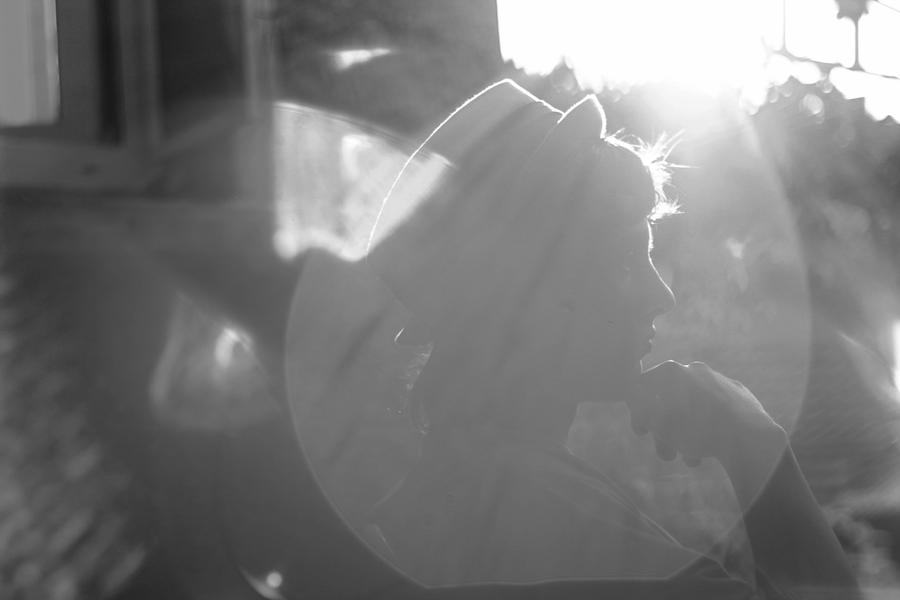
/ Image by Amizyolaroid /

Okay, let’s start off with those wonderful lines:

Looking’s a way of being: one becomes,
sometimes, a pair of eyes walking.

This poem is a response to the Mark Rudman quote, “The World is not something to / look at, it is something to be in.” Denise Levertov answers that looking IS being.

The eyes
dig and burrow into the world.
They touch…

I suspect that Rudman was discouraging passivity and lack of presence, but Levertov, I think, is getting at something deeper still. Humans, all beings, in fact, are fundamentally beings of awareness. Each individual is a point of perception, a viewpoint in the universe. We are, each of us, “a pair of eyes walking.”

We are present through perception, not action. Yes, action and interaction can be a powerful way to force us to pay attention, but it is also common to use action to shut down the awareness. Whether in movement or in stillness, the real goal is to keep the eyes open and feel fully with the heart and with the gut. We want to do more than look, but to see and see deeply. We need to see what is ignored and glossed over, to “dig and burrow in the world.”

Even in complete stillness, truly seeing is one of the most profound actions we can engage in. People are brought to tears by a gentle gaze in the eyes. This is what the soul craves, to be seen, to be recognized, to be truly acknowledged. This is true not just of the human soul, but of the world soul. I think of this when Denise Levertov writes of how the world “looks at one looking.”

And language? Rhythms
of echo and interruption?
That’s
a way of breathing.

We forget that language is built of breath. We see the written word and we read it silently. Words become mental concepts, tools of the intellect. But words are not fundamentally discrete units of meaning. They flow and stop and flow again, as the breath does. Words aren’t inherently meaningful; they are the ornaments that accompany the flow of awareness.

Words affect breath. Thoughts affect breath. Breath guides awareness.

…breathing to sustain
looking…

Through the breath, we bring the outside world inside us, inside the body, inside the awareness. The boundary between self and the world is bridged by the breath. Through breath, we touch, we feel, we internalize, we connect, we participate, we come alive. Through breath we move and we see.

…walking and looking,
through the world,
in it.

Vision, language, breath… communion.


Recommended Books: Denise Levertov

Denise Levertov: Selected Poems Poems of Denise Levertov: 1960-1967 Breathing the Water The Great Unknowing: Last Poems Candles in Babylon
More Books >>


Denise Levertov, Denise Levertov poetry, Secular or Eclectic poetry Denise Levertov

US (1923 – 1997) Timeline
Secular or Eclectic : Beat
Jewish

More poetry by Denise Levertov

3 responses so far

Apr 13 2018

Recognize the magical

Recognize the magical
in the mundane.

One response so far

Apr 06 2018

Buson – Clinging to the bell

Published by under Poetry

Clinging to the bell
by Buson

English version by Sam Hamill

Clinging to the bell,
he dozes so peacefully,
this new butterfly

— from The Poetry of Zen: (Shambhala Library), Edited by Sam Hamill / Edited by J. P. Seaton


/ Image by Rafaelfo /

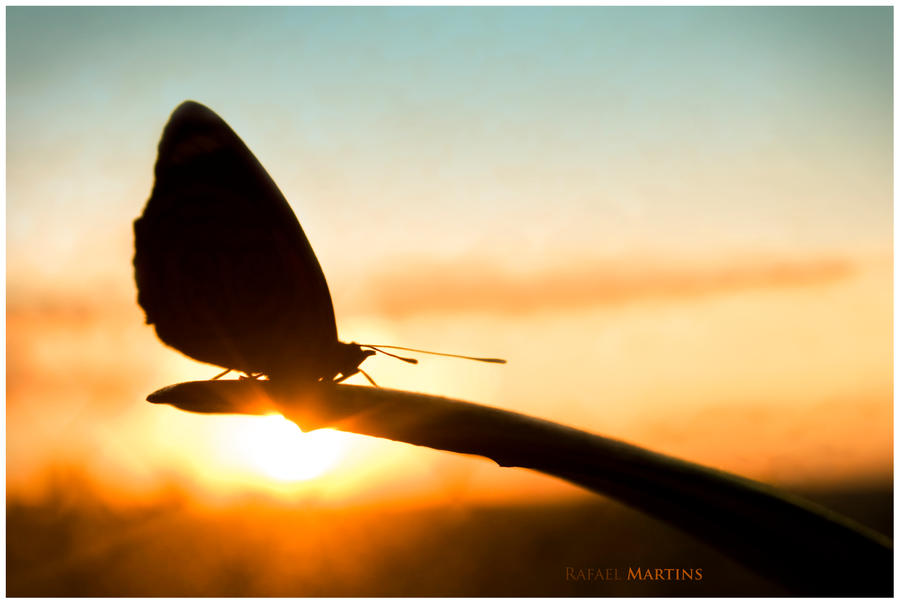
This haiku is so precise and specific that you can’t help but step into the scene sketched for us: A butterfly dozing, at peace on an unstruck bell.

The moment suggests such stillness, yet there is that underlying tension and anticipation. That bell can be rung at any moment, startling the butterfly.

The bell might suggest a temple or monastery. It signals a change in awareness, the call to prayer or to duty.

Should we think of the butterfly as a butterfly? Or a monk, perhaps? Or ourselves? It is “new,” young, inexperienced. Is its peaceful rest naive? Or is it the natural result of its simplicity?

When the bell is struck, will the butterfly attain wakefulness, or lose its peace?

I really like the way this haiku can be turned around and around, yet we keep returning to that perfect still point, dozing on the unstruck bell.


Recommended Books: Buson

Zen Poetry: Let the Spring Breeze Enter The Poetry of Zen: (Shambhala Library) The Moon Over Tagoto: Selected Haiku of Buson


Buson, Buson poetry, Buddhist poetry Buson

Japan (1716 – 1784) Timeline
Buddhist : Zen / Chan

Continue Reading »

One response so far

Apr 06 2018

perceived but not known

The great, flowing vastness
one is…
well, it is perceived,
but it is not known.

One response so far

Apr 04 2018

birthday wishes

Thank you for the many birthday emails and Facebook messages I received. It is my forty-ninth year to heaven, to paraphrase Dylan Thomas. Hopefully, that means I am a year wiser and a year kinder, as well. Certainly, I am a year richer in companionship, since I count all of you as friends and fellow-travellers. And I hope we are all growing in timelessness, which is the real yardstick.

2 responses so far

Apr 04 2018

Rainer Maria Rilke – Sunset

Published by under Poetry

Sunset
by Rainer Maria Rilke

English version by Robert Bly

Slowly the west reaches for clothes of new colours
which it passes to a row of ancient trees.
You look, and soon these two worlds both leave you,
one part climbs toward heaven, one sinks to earth,

leaving you, not really belonging to either,
not so helplessly dark as that house that is silent,
not so unswervingly given to the eternal as that thing
that turns to a star each night and climbs –-

leaving you (it is impossible to untangle the threads)
your own life, timid and standing high and growing,
so that, sometimes blocked in, sometimes reaching out,
one moment your life is a stone in you, and the next, a star.

— from Selected Poems of Rainer Maria Rilke, Translated by Robert Bly


/ Image by MD. Hasibul Haque Sakib /

I love the duality of this poem, which is the duality of our own mental states.

In the painterly beauty of a sunset, we see a transfer occurring, the passing of colors from sky to earth.

Slowly the west reaches for clothes of new colours
which it passes to a row of ancient trees.

We start to notice the “two worlds”: the brilliant but fading sky descending to the earth, while the earth’s horizon rises up into the night sky. Sky into earth, earth into sky, separating, yet also revolving into each other.

You look, and soon these two worlds both leave you,
one part climbs toward heaven, one sinks to earth,

The fixed world of the day is now on the move, dividing and departing. Which one shall we ride into the evening? Which is our home?

leaving you, not really belonging to either,

While, in some mysterious way, these separate worlds of shifting earth and sky are also reconnecting and recombining to form a magical new reality at night that may lead to an unimagined world tomorrow.

Who and what are we as its witnesses? Are we silent, like the somnolent earth, or are we celestial and immense, like the star-strewn night sky, which speaks even in its silence?

Which are we, timid, contained, withdrawn, or standing up, reaching out, growing? Like the earth and the sky at brilliant sunset, we are all of these at once, intermingled.

We embody both the earthly and the heavenly, and perhaps they are not in opposition to each other. These qualities contrast and strengthen each other, together creating a wholeness within the world and within each of us as individuals journeying along the horizon where earth and heaven meet.

We are neither stone nor star, but both.

one moment your life is a stone in you, and the next, a star.

Have a beautiful day, and a wondrous sunset!


Recommended Books: Rainer Maria Rilke

The Enlightened Heart: An Anthology of Sacred Poetry Ahead of All Parting: The Selected Poetry and Prose of Rainer Maria Rilke The Soul is Here for its Own Joy: Sacred Poems from Many Cultures Rilke’s Book of Hours: Love Poems to God In Praise of Mortality: Rilke’s Duino Elegies & Sonnets to Orpheus
More Books >>


Rainer Maria Rilke, Rainer Maria Rilke poetry, Secular or Eclectic poetry Rainer Maria Rilke

Germany (1875 – 1926) Timeline
Secular or Eclectic

More poetry by Rainer Maria Rilke

5 responses so far

Apr 04 2018

following the rules

No one gets to heaven
by following the rules
— or breaking them.
Heaven must burst forth from your breast.

One response so far

Mar 28 2018

Thomas Merton – The Sowing of Meanings

Published by under Poetry

The Sowing of Meanings
by Thomas Merton

See the high birds! Is theirs the song
That dies among the wood-light
Wounding the listener with such bright arrows?
Or do they play in wheeling silences
Defining in the perfect sky
The bounds of (here below) our solitude,

Where spring has generated lights of green
To glow in clouds upon the sombre branches?
Ponds full of sky and stillnesses
What heavy summer songs still sleep
Under the tawny rushes at your brim?

More than a season will be born here, nature,
In your world of gravid mirrors!
The quiet air awaits one note,
One light, one ray and it will be the angels’ spring:
One flash, one glance upon the shiny pond, and then
Asperges me! sweet wilderness, and lo! we are redeemed!

For, like a grain of fire
Smouldering in the heart of every living essence
God plants His undivided power —
Buries His thought too vast for worlds
In seed and root and blade and flower,

Until, in the amazing light of April,
Surcharging the religious silence of the spring,
Creation finds the pressure of His everlasting secret
Too terrible to bear.

Then every way we look, lo! rocks and trees
Pastures and hills and streams and birds and firmament
And our own souls within us flash, and shower us with light,
While the wild countryside, unknown, unvisited of men,
Bears sheaves of clean, transforming fire.

And then, oh then the written image, schooled in sacrifice,
The deep united threeness printed in our being,
Shot by the brilliant syllable of such an intuition, turns within,
And plants that light far down into the heart of darkness and oblivion,
Dives after, and discovers flame.

— from Selected Poems of Thomas Merton, by Thomas Merton


/ Image by NemanjaJ /

It is a sleepy, overcast morning here in Colorado. Clouds have been alternating with brilliant blue skies for several days. Spring is eager to awaken. The reviving world calls me to step out my front door, to stroll…

Ponds full of sky and stillnesses

…to see what is secretly waiting to blossom…

For, like a grain of fire
Smouldering in the heart of every living essence
God plants His undivided power —
Buries His thought too vast for worlds
In seed and root and blade and flower,

The renewal of spring reminds us that so much life and possibility is buried just beneath the surface of the world. We move through our days glancing but rarely looking, brushing past but barely touching, all while a hidden green sap runs through everything, percolating, gestating, just awaiting its moment to blossom in a thousand forms into the world.

We can see a blade of grass or a flower on the branch, and smile but think nothing of it. Or we can really look, recognize the life behind its life, following its secret channels back to the pool of life. When we pay attention, we see not only the myriad expressions of lovely new life, we see life itself, that mysterious questing force that animates the entire universe.

When reading this poem, the question comes up: What does that line about “asperges” mean? “Asperges” is a reference to the Catholic rite of sprinkling holy water on the congregation, especially associated with Easter mass. It comes from the first word (in Latin) of Psalms 51:9, which is traditionally chanted in Catholic masses during Easter. So Merton is making a reference to anointing, sanctification, purification, and Easter…

I hope you find a way to step into the awakening world during this Passover and Easter season.

Then every way we look, lo! rocks and trees
Pastures and hills and streams and birds and firmament
And our own souls within us flash, and shower us with light…


Recommended Books: Thomas Merton

Selected Poems of Thomas Merton The Collected Poems of Thomas Merton A Thomas Merton Reader The Strange Islands: Poems by Thomas Merton Thomas Merton Monk & Poet: A Critical Study


Thomas Merton, Thomas Merton poetry, Christian poetry Thomas Merton

US (1915 – 1968) Timeline
Christian : Catholic

Continue Reading »

One response so far

Mar 23 2018

Dorothy Walters – After

Published by under Poetry

After
by Dorothy Walters

There is one thing certain.
Once you have stood
in the midst of that
searing flame,
been struck down
to earth
like a pilgrim
entered by light at last
and have lain there,
waiting,
not quite certain —

how can you ever know again
what it is
not to be blinded by the light,
never to have gone there
to the top of the snow hung peak
and felt that nameless something
descend onto your shoulders,
your breast,
even as you bent forward
in disbelief.

— from The Ley Lines of the Soul: Poems of Ecstasy and Ascension, by Dorothy Walters


/ Image by JazzLoving Bastard /

Hold onto your doubt, if it serves you. Keep questioning even in the moment of your most radical transformation.

Once you have stood
in the midst of that
searing flame,
been struck down
to earth
like a pilgrim
entered by light at last
and have lain there,
waiting,
not quite certain —

But don’t think your disbelief can trump the reality you now see and know.

how can you ever know again
what it is
not to be blinded by the light…

It may not fit our world view, it may not fit our religion, and we know all too well our foolish failings, yet still there is this flood of light eager to burst forth within us and overturn all our rock-solid understanding.

and felt that nameless something
descend onto your shoulders,
your breast,
even as you bent forward
in disbelief.


Recommended Books: Dorothy Walters

The Longing in Between: Sacred Poetry from Around the World (A Poetry Chaikhana Anthology) Marrow of Flame : Poems of the Spiritual Journey Diamond Cutters: Visionary Poets in America, Britain & Oceania The Ley Lines of the Soul: Poems of Ecstasy and Ascension Some Kiss We Want: Poems Selected and New
More Books >>


Dorothy Walters, Dorothy Walters poetry, Secular or Eclectic poetry Dorothy Walters

US (1928 – )
Secular or Eclectic

Continue Reading »

5 responses so far

Mar 23 2018

we too shine

Finding that light, we discover
that we too shine
like the stars within the deep mystery.

One response so far

Mar 21 2018

Ivan M. Granger – When the Spring Thaw Comes

Published by under Poetry

When the Spring Thaw Comes
by Ivan M. Granger

Something they
won’t tell you –

That book of sins
you hide
beneath your pillow
matters
not at all.

When the spring thaw comes
we all go mad
and shred it,
tossing love notes
left and right
scribbled on the scraps.

— from Diamond Cutters: Visionary Poets in America, Britain & Oceania, Edited by Andrew Harvey / Edited by Jay Ramsay


/ Image by Ana-mcara /

It has been a while since I last featured one of my own poems. Something to welcome spring.

We all do it, keep a hidden notebook detailing each and every failing. When it comes to that book of self-recrimination, we memorize each page with a cruel clarity. We can list each imperfection. The tally on the final page tells us in blunt mathematics how we are not who we imagine we should be. We brutalize ourselves with this book.

It is not that any line item in this ledger is untrue or that we should not feel remorse when we stumble or cause hurt.

But something happens. Spring’s first dawn breaks. The old self, in stunned silence, just falls away. And with it goes all those old calculations.

All that then remains of those countless self-cruelties are our secret love notes written to a new self and a new world filled with new life.

Happy spring! And to all of my Persian and Middle Eastern friends, Happy Nowruz!


Recommended Books: Ivan M. Granger

The Longing in Between: Sacred Poetry from Around the World (A Poetry Chaikhana Anthology) Real Thirst: Poetry of the Spiritual Journey For Lovers of God Everywhere: Poems of the Christian Mystics Diamond Cutters: Visionary Poets in America, Britain & Oceania Poems of Awakening: An International Anthology of Spiritual Poetry
More Books >>


Ivan M. Granger, Ivan M. Granger poetry, Secular or Eclectic poetry Ivan M. Granger

US (1969 – )
Secular or Eclectic
Yoga / Hindu : Advaita / Non-Dualist

Continue Reading »

12 responses so far

Mar 21 2018

Every act

Every ignoble act says —
“Save me from myself!”
Every noble act says
the same.

One response so far

Mar 16 2018

R. S. Thomas – The Moor

Published by under Poetry

The Moor
by R. S. Thomas

It was like a church to me.
I entered it on soft foot,
Breath held like a cap in the hand.
It was quiet.
What God was there made himself felt,
Not listened to, in clean colours
That brought a moistening of the eye,
In movement of the wind over grass.

There were no prayers said. But stillness
Of the heart’s passions — that was praise
Enough; and the mind’s cession
Of its kingdom. I walked on,
Simple and poor, while the air crumbled
And broke on me generously as bread.

— from For Lovers of God Everywhere: Poems of the Christian Mystics, by Roger Housden


/ Image by xelcise /

It was like a church to me.

Isn’t this a wonderful way to step into the wild?

I entered it on soft foot,
Breath held like a cap in the hand.

The proper approach to the natural world, with reverence and receptivity.

This is one of the great gifts of living nature, it can release us from our endless mental and social constructions. We receive the opportunity to witness the wider reality. The limitations of our thoughts, our lives, the ambitions of the human world, are revealed amidst the larger landscape.

It was quiet.
What God was there made himself felt,
Not listened to…

Nature offers us a direct experience of communion. These are not sermons or discourses that pass through the ear to be sifted and sorted by the brain before, hopefully, some truth trickles into the deeper awareness. This is the living stillness touching the heart.

There were no prayers said. But stillness
Of the heart’s passions — that was praise
Enough; and the mind’s cession
Of its kingdom.

Notice the break in the first line of the verse above. “There were no prayers said. But stillness–” By ending the line on “stillness,” the mind contemplating these words naturally halts, finding its own stillness. The mind unconsciously reads the line as if it was a complete sentence, “There were no prayers said, but stillness.” Stillness, then, becomes the prayer.

And the powerful line break dividing the second and third lines. We read them as, “That was praise!” followed by “Enough.” On a certain level that isolated “enough” captures the essence here: He is speaking of the stillness of the heart’s passions and the mind finally yielding its control. “Enough!” Enough of the busy mind and the hungry heart.

The quiet breath of the natural world remind us that stillness is the real praise, and prayer, and presence.

I walked on,
Simple and poor, while the air crumbled
And broke on me generously as bread.

Mmm.


Recommended Books: R. S. Thomas

For Lovers of God Everywhere: Poems of the Christian Mystics Soul Food: Nourishing Poems for Starved Minds R. S. Thomas: Selected Poems R. S. Thomas (Everyman Poetry) R. S. Thomas: Collected Poems 1945-1990
More Books >>


R. S. Thomas, R. S. Thomas poetry, Christian poetry R. S. Thomas

Wales (1913 – 2000) Timeline
Christian

Continue Reading »

7 responses so far

Mar 16 2018

a new action

With each new insight
take a new action
to claim it.

One response so far

Mar 07 2018

Hakim Sanai – There is no place for place!

Published by under Poetry

There is no place for place!
by Hakim Sanai

English version by Ivan M. Granger

There is no place for place!
How can a place
house the maker of all space,
or the vast sky enclose
      the maker of heaven?

He told me:
“I am a homeless treasure.
The world was made
to give you a place to stand
      and see me.”

Tell me, if the one you seek
is placeless,
why put your shoes on?
The real road
is found by polishing, polishing
      the mirror of your heart.

— from The Longing in Between: Sacred Poetry from Around the World (A Poetry Chaikhana Anthology), Edited by Ivan M. Granger


/ Image by RobertoBertero /

I’ve always loved these verses, but this morning it’s the middle verse that especially stands out to me–

He told me:
“I am a homeless treasure.
The world was made
to give you a place to stand
      and see me.”

Mystics, through direct perception, often declare that there is a fundamental unity in existence. There is no real separation between beings. There is no separation between the individual and the Eternal.

But this raises a dilemma in the minds of some philosophers: In a reality where all is One, why then does the perception of separation and multiplicity emerge? Is that simply a false vision, a delusion, or does it serve a divine purpose, even if temporary? In other words, why does that externalized reality (“the world”) come into being?

One way this question is answered is to look at the journey of the individual human consciousness from birth, through individuation, to mature adulthood and, finally, hopefully, to wisdom and enlightenment. As newborn infants we don’t imagine ourselves to be separate from our mothers. There is hardly any self at all. Or, rather, self is so open that it is not a “self” in the normal sense. There is only Mother. And the wider reality is only the perception of sensation. This is a form of unity, but it is immature. This initial unity does not yet allow us to effectively interact with the wider, complex reality and embody our full potential.

Next, separation and individuation begins to occur. The toddler discovers a powerful word: “No!” A sense of self emerges. This is also when “the world” emerges. Wider reality becomes something outside ourselves, outside the self, separate. We get the dynamic of self and object, self and other.

That self-object dynamic is essential. It allows for interaction. It allows for experimentation and experience and growing comprehension. We gain a vantage point through which to perceive and understand reality. We gain a place to stand and to see.

As profound and necessary as this relationship with reality is, it is ultimately limited. It works well for the basic need of all beings to figure out how to survive and socially connect. But it is an incomplete picture, and it leaves us incomplete in ourselves. Even when, as mature adults, we learn the skills of the world, there is more. And we know it.

The wise woman or man is dedicated to continuing the maturation of the awareness, rediscovering that primal unity while integrating it with the hard-learned lessons of the world. This leads to true spiritual maturity, with vision and a place to stand, yet consciously connected to all things.

We need the world. We need a place to stand, so we can look and see. Eventually we once more see the One in the patterns of the many.

Then the idea of place falls away. Place only has meaning amidst the many, when seeking some segment of reality. But, when, in our full maturity, we seek the blissful vision of the Whole Reality, what meaning does place have anymore?

There is no place for place!
How can a place
house the maker of all space…?

Enough running about from place to place; we are on a journey to the placeless. Let’s kick off our shoes, sit down, and begin the quiet work of polishing that most secret center until we truly see, and know, and are lost in the vision…


Recommended Books: Hakim Sanai

The Longing in Between: Sacred Poetry from Around the World (A Poetry Chaikhana Anthology) Real Thirst: Poetry of the Spiritual Journey The Drunken Universe: An Anthology of Persian Sufi Poetry Perfume of the Desert: Inspirations from Sufi Wisdom Islamic Mystical Poetry: Sufi Verse from the Early Mystics to Rumi
More Books >>


Hakim Sanai, Hakim Sanai poetry, Muslim / Sufi poetry Hakim Sanai

Afghanistan (1044? – 1150?) Timeline
Muslim / Sufi

Continue Reading »

3 responses so far

Feb 28 2018

Yuan Mei – Climbing the Mountain

Published by under Poetry

Climbing the Mountain
by Yuan Mei

English version by J. P. Seaton

I burned incense, swept the earth, and waited
                  for a poem to come…

Then I laughed, and climbed the mountain,
                  leaning on my staff.

How I’d love to be a master
                  of the blue sky’s art:

see how many sprigs of snow-white cloud
                  he’s brushed in so far today.

— from I Don’t Bow to Buddhas: Selected Poems of Yuan Mei, Translated by J. P. Seaton


/ Image by serenity-temptations /

I burned incense, swept the earth, and waited
                  for a poem to come…

I think any artist can relate to this opening line. We have our rituals, half prayerful, half desperate, seeking to draw forth that intangible spark of inspiration.

And what is it we seek really? One more poem, one more compelling scene for our novel in progress, a new variation on a classic melody, just the right angle for our subject in charcoal? While important, those are details, not the art itself, not that intangible something we are really fishing for in the quiet tense moments before creation.

What we’re really seeking is a feeling, a sense of budding life and purpose behind the technique of our creation. It is not craft we seek, but the unnamed animating spirit that will bless our craft, bring it to life, and awaken something in everyone touched by this new creation.

But art itself can be a trap. At its best, it is a magical act, a shamanic endeavor that transforms and heals society, bringing forth new possibilities within the human spirit. But art can also be a bellows for the ego, a way to reinforce one’s self-importance and place in the world. Too often art starts to point back to the artist’s own face.

Then I laughed, and climbed the mountain,
                  leaning on my staff.

In such moments, perhaps it is best to step back from the busy work of one more creation and remember to widen our scope in order to restore perspective. Any human act of creation, no matter how filled with life and magic, can never match the artistry writ large in the world all around us.

How I’d love to be a master
                  of the blue sky’s art:

If we only recognize that spark when captured by a human hand, we have lost a vital connection to the greater reality.

We must regularly return to the pool of wonder itself, found most naturally where the human being is incidental. We must remember to recognize the real art everywhere present, unsigned, just the artist’s hidden smile.

That is where the real communication is happening. Where you and I are not the authors, but stand instead as quiet witnesses, that is where the most profound transformation occurs. That is the real magical encounter.

see how many sprigs of snow-white cloud
                  he’s brushed in so far today.

Restored, we then return to our own actions and creations as a modest reflection of the great artist’s work. Our work in the world becomes a form of participation rather than self-aggrandizement.


Recommended Books: Yuan Mei

The Poetry of Zen: (Shambhala Library) A Drifting Boat: Chinese Zen Poetry I Don’t Bow to Buddhas: Selected Poems of Yuan Mei Yuan Mei: Eighteenth Century Chinese Poet Censored by Confucius: Ghost Stories of Yuan Mei


Yuan Mei, Yuan Mei poetry, Buddhist poetry Yuan Mei

China (1716 – 1798) Timeline
Buddhist : Zen / Chan
Taoist

Continue Reading »

2 responses so far

Feb 28 2018

seasons of the self

The seasons of the self blossom
and turn inward again,
and through it all there is a still point within us
quietly watching, accepting, smiling.

One response so far

« Prev - Next »